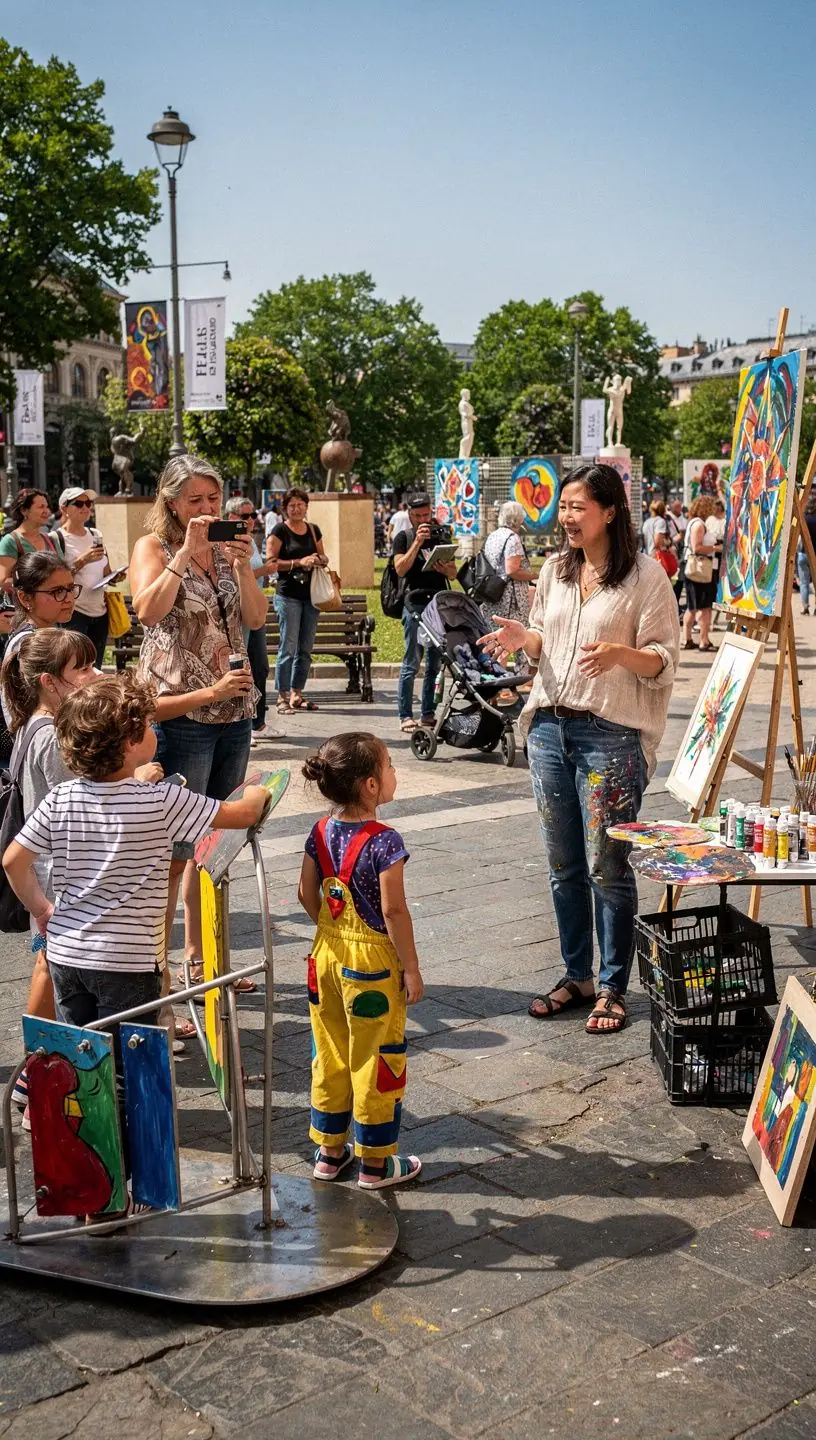
Understanding the History of Cultural Festivals in the City
Cultural festivals are a vibrant part of urban life, reflecting the community's values, traditions, and artistic expressions. In this article, we delve into the history of these festivals in our city, exploring their evolution and significance over the years.
The Origins of Cultural Festivals
Cultural festivals have a long-standing history, often rooted in local customs and seasonal celebrations. According to research by the International Journal of Cultural Policy, many cities began hosting festivals in the early 20th century as a means to promote community engagement and celebrate local heritage. These events typically featured music, dance, and food, showcasing the diversity of cultures within the community.
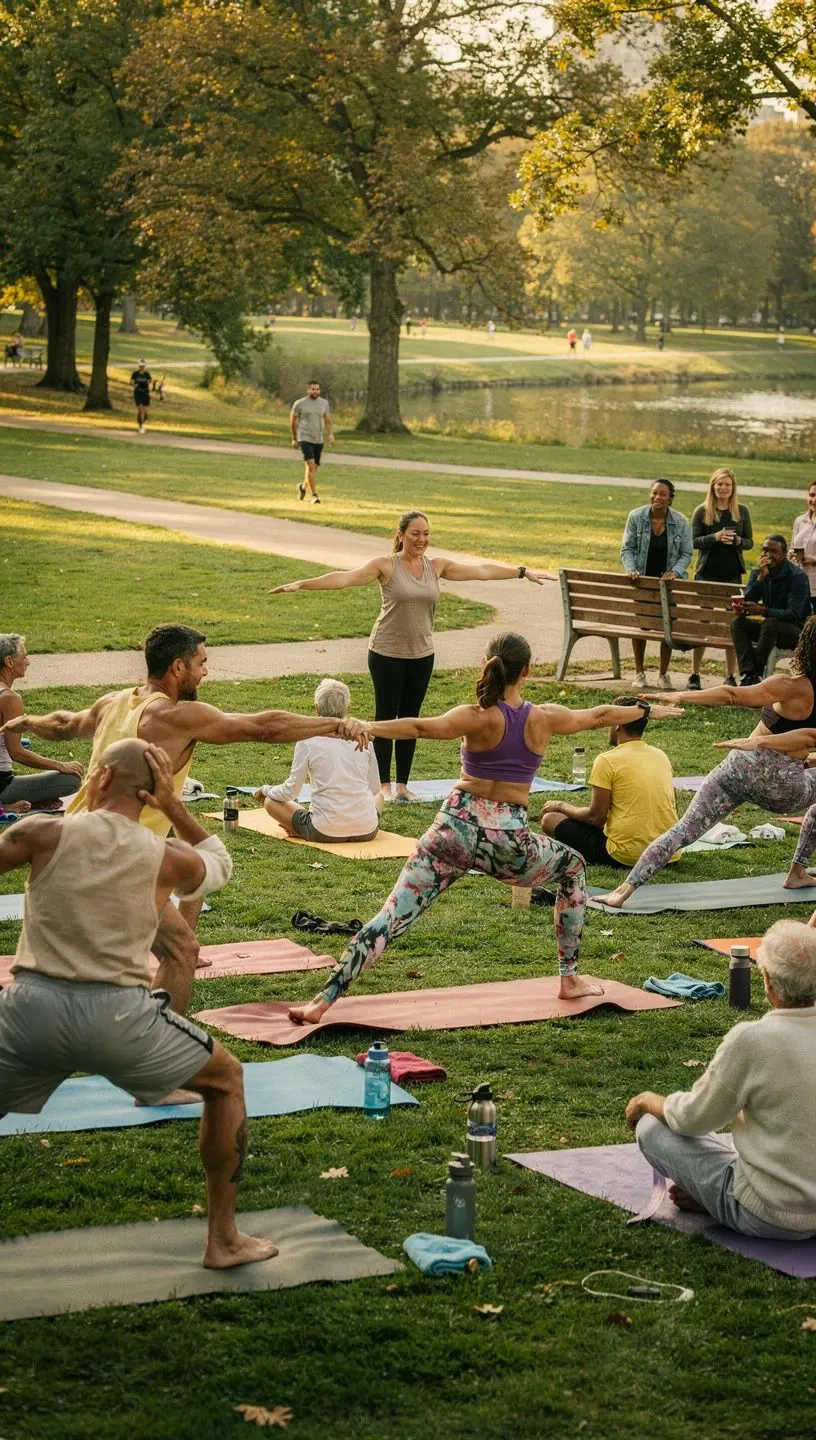
"Cultural festivals serve as a platform for communities to express their identity and foster social cohesion." - Expert in Cultural Studies
Evolution Through the Decades
Over the decades, cultural festivals have evolved significantly. Initially focused on traditional practices, modern festivals often incorporate contemporary themes and technologies. For instance, studies show that many festivals now include digital art installations and interactive experiences, appealing to younger audiences and enhancing overall participation.
Key Influences on Festival Development
- Globalisation: The influence of global cultures has led to the blending of traditions, creating unique festival experiences that reflect multiculturalism.
- Social Media: Platforms like Instagram and Facebook have transformed how festivals are marketed and experienced, allowing for wider reach and engagement.
- Community Involvement: Many festivals now involve local artists and businesses, strengthening community ties and supporting economic development.
Significance of Cultural Festivals Today
Today, cultural festivals play a crucial role in urban development and tourism. According to the World Tourism Organization, festivals can attract thousands of visitors, boosting local economies and creating jobs within the community. Additionally, they offer educational opportunities, allowing attendees to learn about different cultures and traditions.
Challenges and Considerations
While cultural festivals provide numerous benefits, they also face challenges. Organizers must consider factors such as funding, weather conditions, and community sentiment. Research indicates that festivals often require substantial planning—typically taking 6 to 12 months to organize to ensure a successful event.
"Effective festival planning involves understanding the target audience and aligning the event with the community's interests and values." - Event Management Expert
Conclusion
In conclusion, the history of cultural festivals in our city reflects a rich tapestry of traditions and innovations. These gatherings not only celebrate local culture but also foster community spirit and economic growth. As the landscape of cultural festivals continues to evolve, it is essential for organizers to adapt to changing dynamics while preserving the essence of what makes these events special.
Understanding the past and present of cultural festivals can help us appreciate their significance and encourage participation in future events. By valuing our cultural heritage, we can ensure that these festivals thrive for generations to come.
Learn More