The Importance of Volunteerism in Event Planning
Volunteerism plays a crucial role in the success of community events, providing not only essential manpower but also fostering a sense of community and engagement. Understanding the significance of volunteers can enhance the planning and execution of cultural gatherings, music evenings, and social game clubs across cities, particularly in Ireland.
Understanding the Basics
According to studies by the National Volunteer Centre, volunteer participation in events can significantly improve both the quality and reach of these gatherings. Volunteers typically contribute their time and skills, which can enhance the event’s overall effectiveness. This is because volunteers often bring unique insights and local knowledge that can help tailor events to better suit community needs.
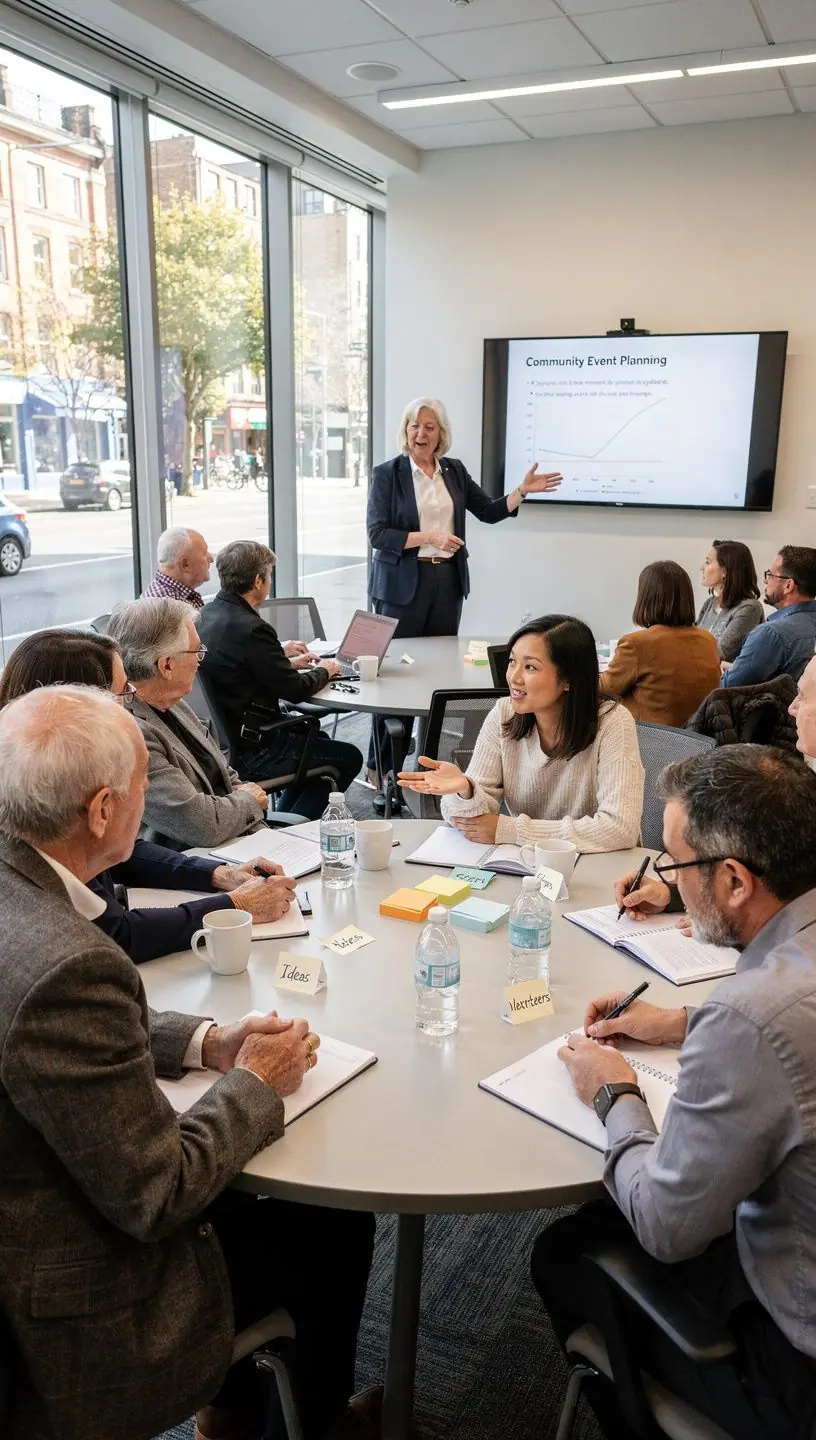
"Volunteers not only help execute event logistics but also serve as ambassadors for the community, bridging connections among attendees."
Practical Benefits of Volunteerism
Incorporating volunteers into event planning can lead to several practical benefits:
- Cost Efficiency: Engaging volunteers can reduce operational costs, allowing funds to be allocated toward other essential areas, such as marketing and entertainment. Many organizations report that volunteer-driven initiatives can lower event costs by 30-50%.
- Community Engagement: Volunteers often have a vested interest in the success of the event, as they are typically members of the community. This engagement can lead to higher attendance rates and increased participation in future events.
- Skill Development: Volunteering provides individuals with opportunities to develop new skills and gain experience, which can be particularly valuable for students and young professionals. Experts suggest that involvement in event planning can enhance organizational and teamwork skills.
Challenges and Considerations
While volunteering offers numerous advantages, there are challenges to consider:
- Time Commitment: Coordinating a team of volunteers typically takes 2-4 weeks of planning and requires ongoing communication. Understanding the time commitment is important to ensure smooth execution.
- Training and Management: Effective management of volunteers involves training and clear communication of their roles. This can require additional effort from event planners, who must ensure that volunteers are adequately prepared to fulfill their responsibilities.
- Expectations and Limitations: It is essential to set clear expectations for volunteers, as not all tasks can be delegated. Some responsibilities may still require professional expertise, and it’s important to recognize what can be realistically achieved by volunteers.
Conclusion
In conclusion, volunteerism is a vital component of successful event planning, particularly in community-focused initiatives such as cultural gatherings and social clubs. By understanding the benefits and challenges associated with volunteer involvement, organizers can create more effective, engaging, and meaningful events. Building a reliable framework for volunteer participation not only enhances the event experience but also strengthens community ties, fostering a vibrant social fabric within the city. As events continue to evolve, embracing volunteerism may provide the key to unlocking their full potential.