Exploring Different Types of Cultural Events
Cultural events play a crucial role in fostering community engagement and celebrating diversity. This article delves into various types of cultural events and how they can enrich our social lives, providing insights on what to expect from each type.
Understanding Cultural Events
Cultural events can encompass a wide range of activities, including art exhibitions, music performances, festivals, and community gatherings. According to research conducted by the National Endowment for the Arts, participating in cultural activities can enhance social cohesion and improve overall well-being.
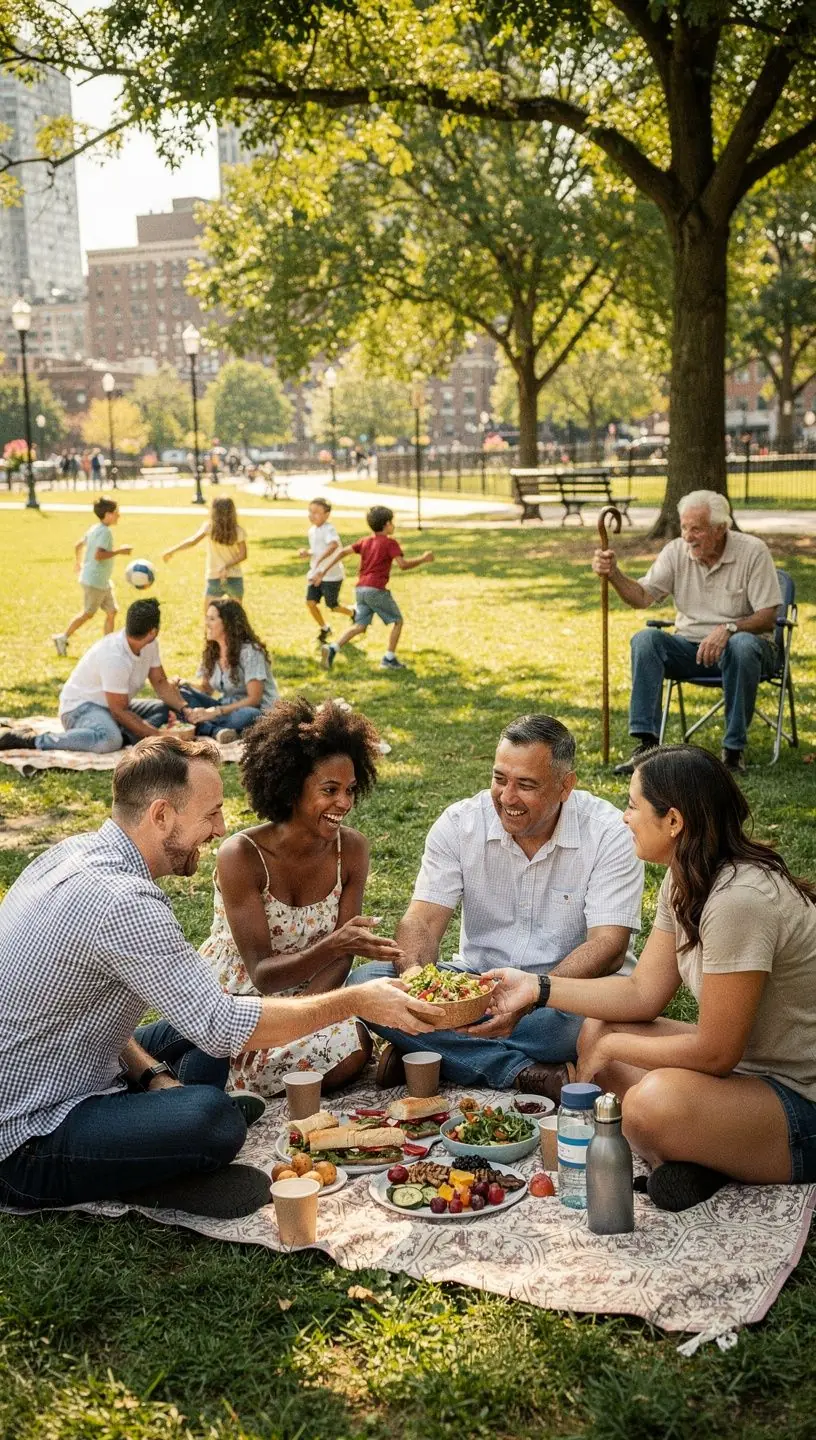
"Cultural participation has been shown to foster mutual understanding, promoting inclusive communities." - Arts Research Experts
Types of Cultural Events
Here are some common types of cultural events that you might encounter in your city:
- Art Exhibitions: Typically held in galleries or public spaces, these events showcase local and international artists. They often encourage interaction and discussion, allowing attendees to gain insights into various artistic expressions.
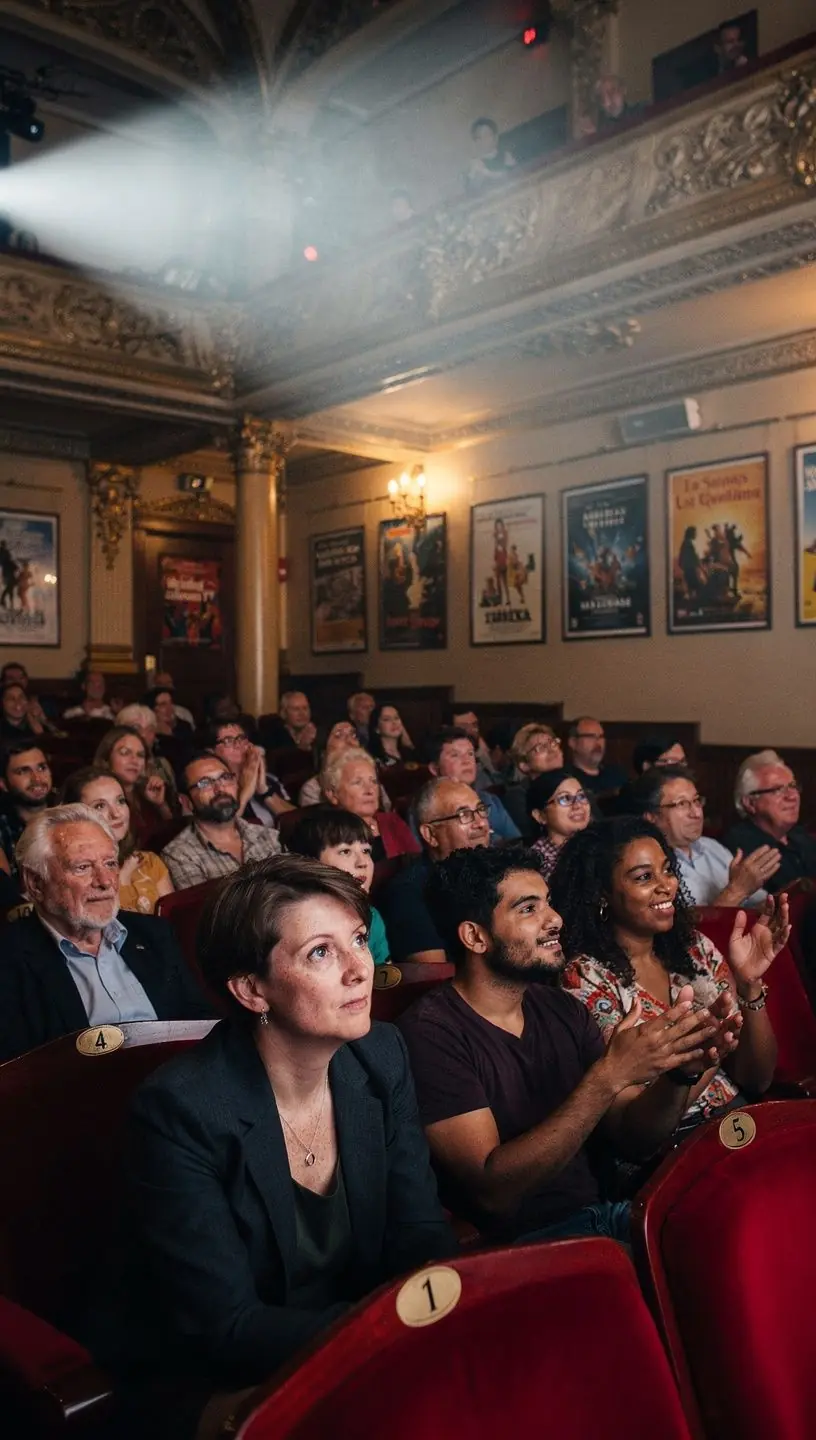
- Music Concerts: Live music events can range from small, intimate performances to large festivals. They often provide a platform for emerging artists while also featuring established musicians, fostering a sense of community and shared experience.
- Cultural Festivals: Celebrating specific traditions or themes, these festivals usually include food, music, dance, and art. They offer a unique opportunity for attendees to immerse themselves in different cultures and traditions.
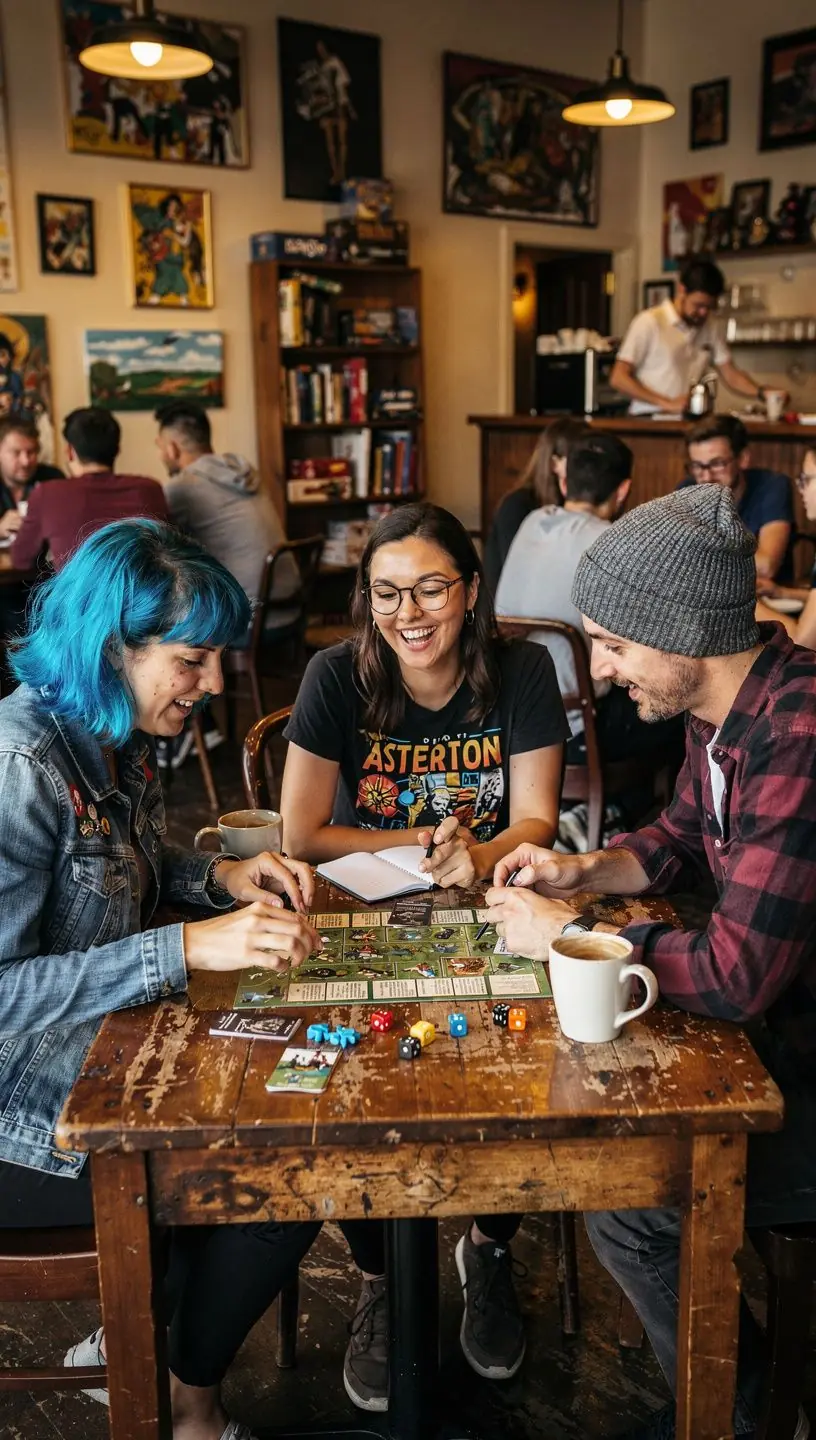
- Social Game Clubs: Often organized in community centers or cafés, social game clubs encourage interaction through board games, card games, and other recreational activities. These events can cultivate friendships and provide a relaxed environment for socializing.
The Benefits of Attending Cultural Events
Attending cultural events can yield several benefits:
- Community Engagement: Participating in events fosters connections within the community, helping to build a sense of belonging.
- Enhanced Creativity: Exposure to different artistic and cultural expressions can inspire creativity and innovative thinking.
- Educational Opportunities: Many events include workshops or discussions that provide valuable insights into cultural practices, art techniques, or historical contexts.
How to Get Involved
If you're interested in experiencing cultural events in your area, consider the following steps:
- Research Local Events: Check community calendars, social media, and local newspapers for upcoming events.
- Participate Actively: Attend events and engage with organizers and attendees to make the most of your experience.
- Volunteer: Many cultural events rely on volunteers to help with logistics. This can be a great way to meet new people and gain insider knowledge about the events.
Conclusion
Cultural events serve as a vital link between individuals and their communities, offering a chance to learn, connect, and celebrate diversity. By participating in these events, you not only enhance your own experience but also contribute to the vibrancy of your community. Engaging with cultural events may require some planning and time commitment, but the rewards—community connection, personal growth, and enriched experiences—are often worth the effort.
Learn More