The Role of Public Spaces in Cultural Events
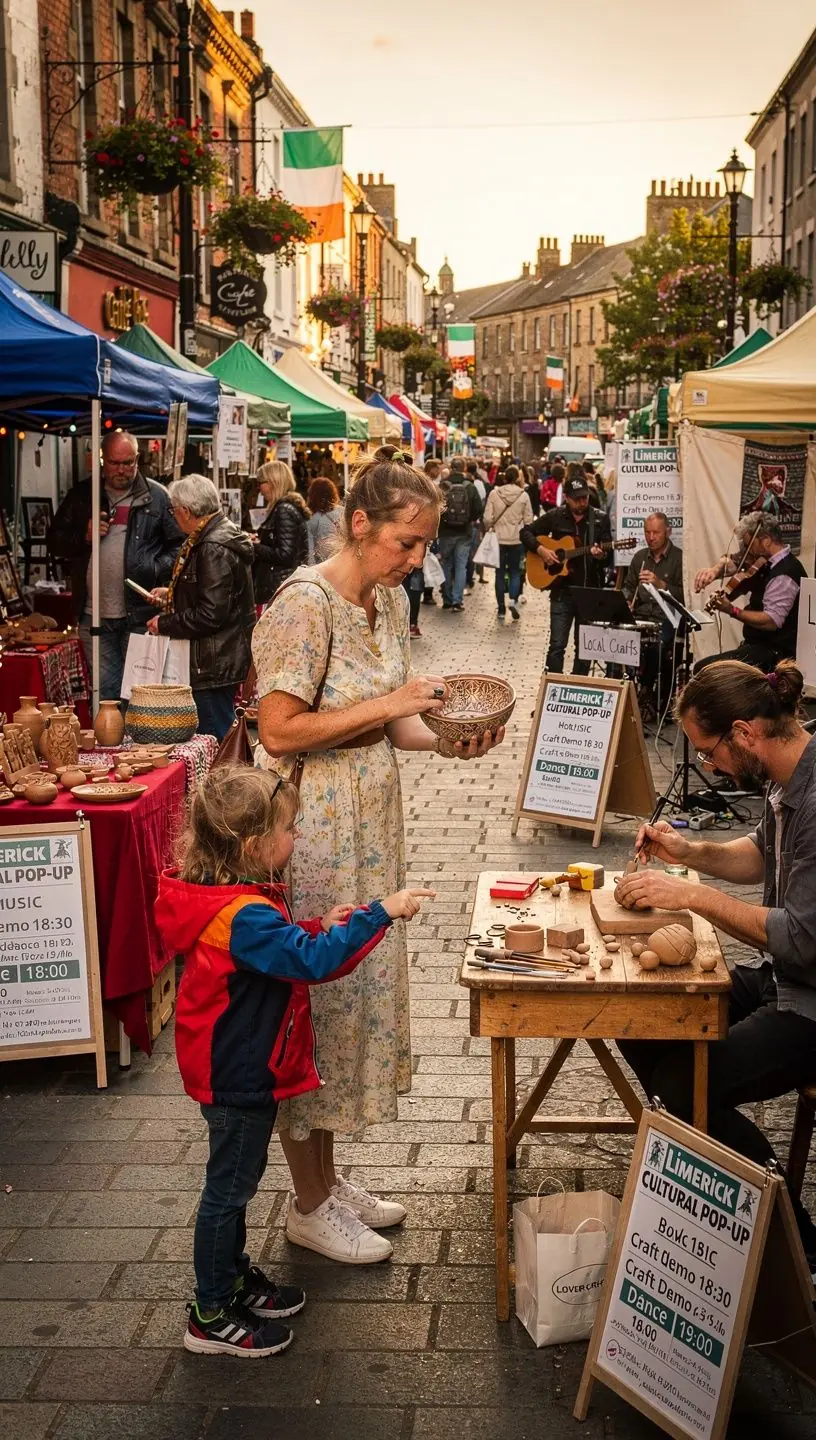
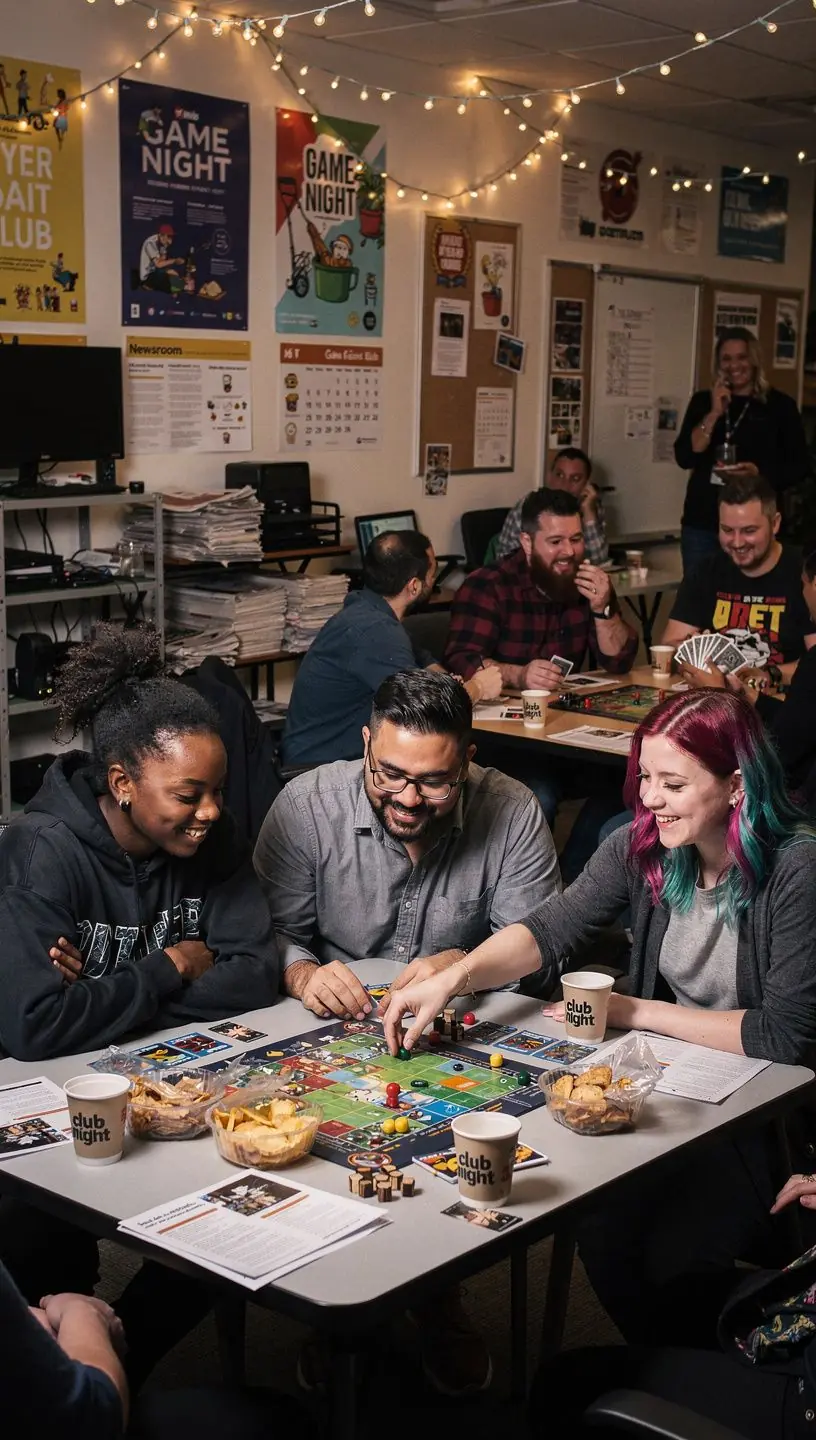
Public spaces serve as vital hubs for cultural events, fostering community engagement and creativity. This article explores how these areas contribute to cultural gatherings, the significance of music evenings, and the organization of social game clubs.
Understanding the Importance of Public Spaces
Public spaces, such as parks, plazas, and community centers, play a crucial role in hosting cultural events. According to urban studies, these spaces can enhance community cohesion by promoting social interactions and cultural exchange. Research indicates that when communities gather in public spaces, they often experience a greater sense of belonging.
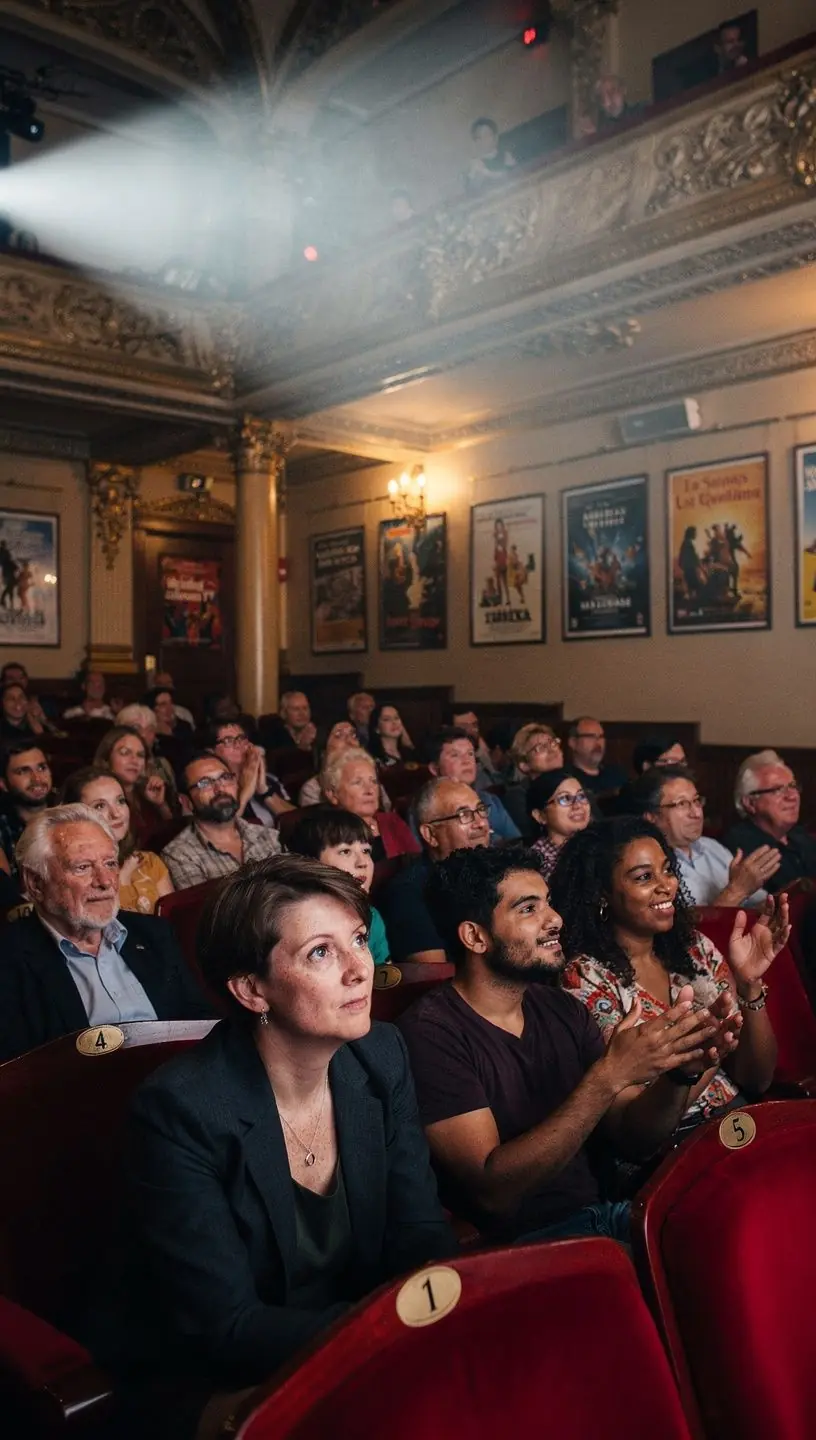
"Public spaces are essential for fostering civic engagement and promoting local culture," said Dr. Sarah McMahon, an expert in urban sociology.
How Public Spaces Foster Cultural Events
There are several ways public spaces facilitate cultural events:
- Accessibility: Public spaces are typically more accessible than private venues, allowing a broader demographic to participate in cultural activities. Many studies show that people are more likely to attend events in familiar, open areas.
- Flexibility: These spaces can be easily adapted for various events, from music evenings featuring local artists to social game clubs where community members gather to play and connect. This adaptability allows organizers to cater to diverse interests.
- Community Building: Engaging in cultural activities within public spaces often leads to the formation of social bonds among participants. Research suggests that these interactions can create lasting relationships and a stronger community identity.
Challenges in Utilizing Public Spaces
While public spaces offer numerous benefits, there are also challenges to consider:
- Logistical Issues: Organizing events in public spaces can involve navigating permits and regulations, which typically require time and effort. Event planners should begin the process well in advance to ensure compliance with local laws.
- Limited Resources: Many public spaces may lack the necessary infrastructure for large-scale events. Experts recommend assessing the location's facilities before planning an event.
- Weather Dependency: Outdoor events are often at the mercy of weather conditions. Organizers should have contingency plans to accommodate unexpected changes, such as rain or extreme heat.
Conclusion
In conclusion, public spaces play an invaluable role in the organization of cultural events. They offer a reliable platform for community gatherings, enriching the social fabric of neighborhoods. While there are challenges to overcome, the potential benefits of fostering cultural engagement in these areas far outweigh the drawbacks. By understanding how to effectively utilize public spaces, communities can cultivate a vibrant cultural landscape that brings people together.
As research indicates, investing time and effort into organizing events in public spaces can lead to significant social benefits, thereby enhancing community well-being and cultural appreciation.
Learn More